-
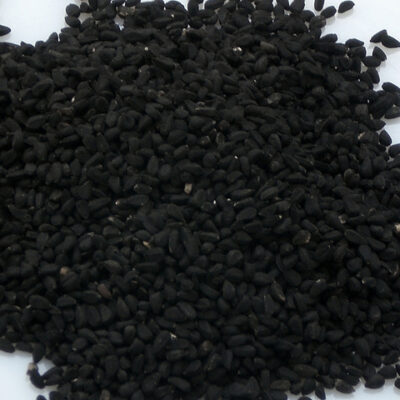
Black seed (Kalonji)
Black Seed (Kalonji), also known as Nigella seeds, are tiny black seeds with a slightly bitter, peppery flavor and a hint of oregano and onion. Widely used as a spice in Indian, Middle Eastern, and North African cuisines, kalonji adds a distinctive aroma and taste to breads, pickles, curries, and spice blends. Beyond culinary uses, it is valued for its traditional medicinal properties, including antioxidant and anti-inflammatory benefits.
-
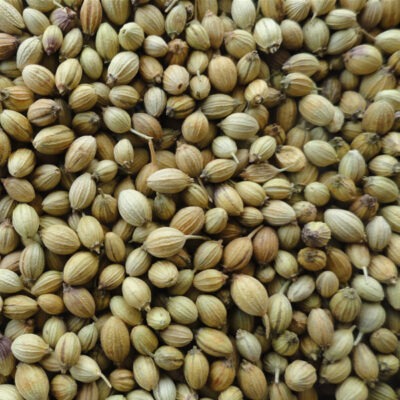
Coriander Seeds
Coriander Seeds are small, round, light brown seeds with a warm, citrusy, and slightly sweet flavor. Widely used in Indian, Middle Eastern, Latin American, and Mediterranean cuisines, they are often toasted or ground to add a fragrant, fresh note to curries, spice blends, pickles, and marinades. Coriander seeds are valued for their aromatic qualities and digestive benefits, making them a versatile and essential spice in global cooking.
-
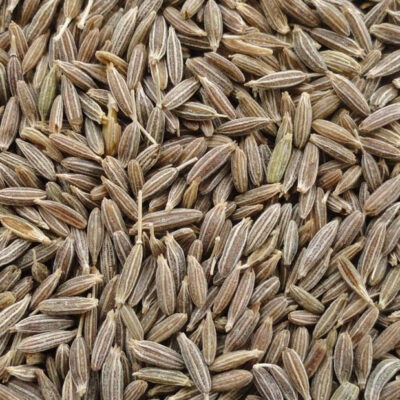
Cumin Seeds
Cumin Seeds are small, elongated brown seeds with a warm, earthy flavor and a slightly bitter, nutty aroma. Widely used in Indian, Middle Eastern, Mexican, and Mediterranean cuisines, they add depth and complexity to spice blends, curries, stews, and rice dishes. Cumin seeds are often toasted to enhance their flavor and are valued for their digestive and antioxidant properties.
-
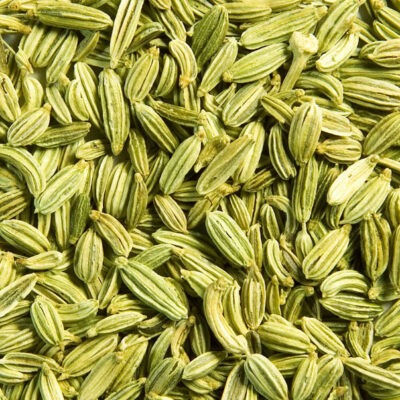
Fennel Seeds
Fennel Seeds are small, greenish-brown seeds with a sweet, licorice-like flavor and a refreshing aroma. Commonly used in Indian, Mediterranean, and Middle Eastern cuisines, they enhance the taste of breads, spice blends, teas, pickles, and savory dishes. Fennel seeds are also known for their digestive benefits and are often chewed after meals as a natural breath freshener.
-
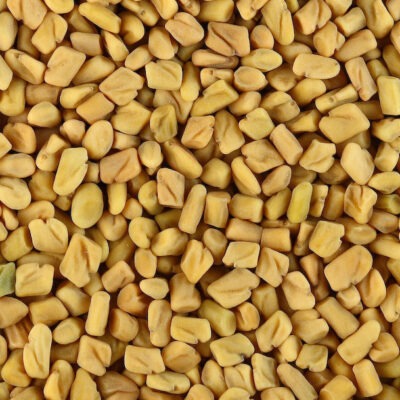
Fenugreek Seeds
Fenugreek Seeds are small, golden-brown seeds known for their slightly bitter, nutty flavor with a hint of sweetness. Widely used in Indian, Middle Eastern, and North African cuisines, they add depth to spice blends, curries, pickles, and bread. Fenugreek seeds are also valued for their medicinal properties, including aiding digestion and regulating blood sugar levels.
-
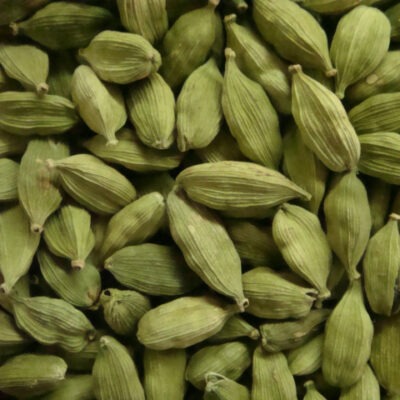
Indian Cardemom
Indian Cardamom (also known as Green Cardamom) is a highly prized spice with small green pods containing aromatic seeds. Renowned for its sweet, floral, and slightly citrusy flavor, it is widely used in Indian, Middle Eastern, and Scandinavian cuisines. Indian Cardamom enhances both savory and sweet dishes such as curries, rice preparations, desserts, and chai teas.
-
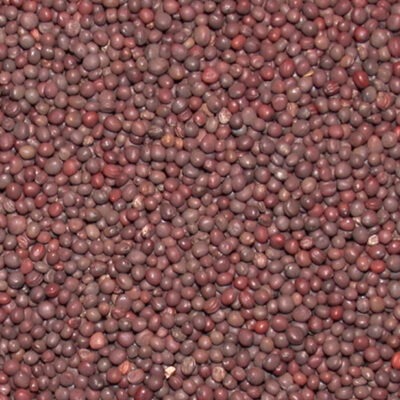
Mustard Seed
Mustard Seeds are small, round seeds that come in various colors, including yellow, brown, and black. Known for their pungent, spicy flavor, they are a key spice in many cuisines around the world, especially in Indian, European, and Middle Eastern cooking. Mustard seeds are used whole for tempering, ground into powders, or processed into mustard condiments.
-
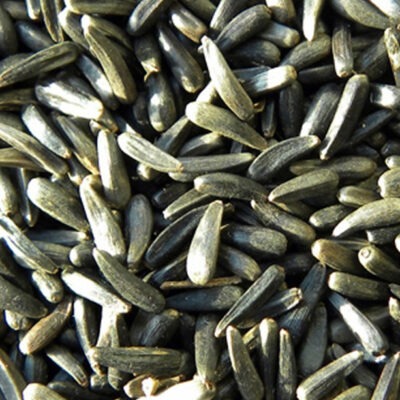
Niger Seeds
Niger Seeds are small, black seeds native to Ethiopia and widely cultivated in parts of Asia and Africa. They have a mild, nutty flavor and are primarily used for oil extraction, known as niger seed oil, which is valued for cooking and medicinal purposes. Additionally, niger seeds serve as bird feed, especially for finches and other small birds.
-

Turmeric
Turmeric is a vibrant yellow-orange spice derived from the root of the Curcuma longa plant. Known for its warm, earthy, and slightly bitter flavor, turmeric is a staple in Indian, Southeast Asian, and Middle Eastern cuisines. It is widely used in curries, rice dishes, and sauces for both its color and taste. Beyond its culinary uses, turmeric is celebrated for its powerful anti-inflammatory and antioxidant properties, making it popular in traditional medicine and modern health supplements.